
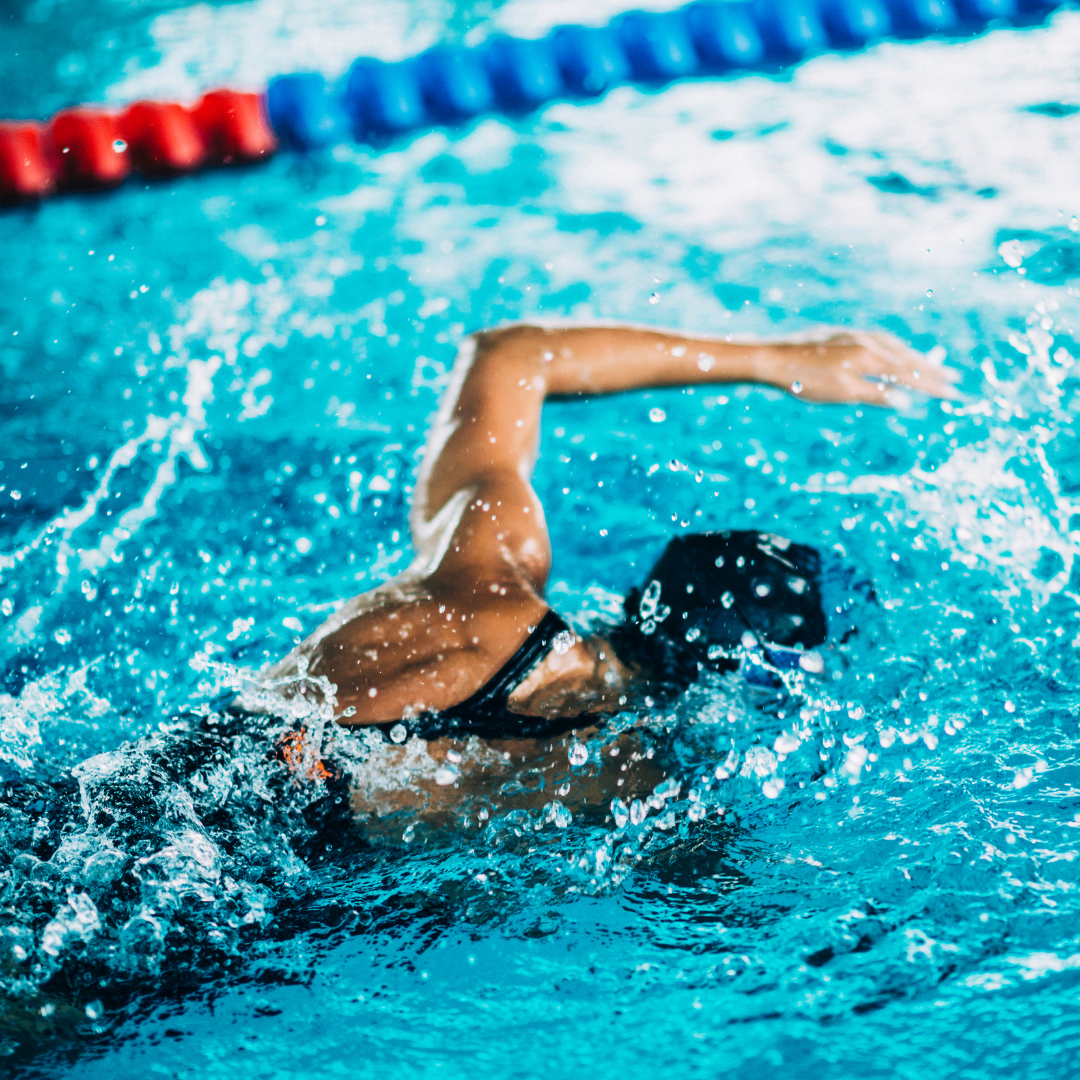
Getting back into swimming after a break, or starting from scratch, can feel overwhelming. Maybe you stopped because you didn't have enough time, because of an injury, or simply because you lost the habit years ago. What matters is that you want to return now, and that is already a great first step. Swimming is a complete sport that is gentle on the joints and suitable for any age or level. But like any new beginning, it requires patience, consistency and, above all, a strong and positive attitude. In this article we give you the keys to making your return to swimming gradual, enjoyable and free of frustration. We also suggest a short routine designed for those who want to start without stress.

1. Start with what matters most: enjoying it
The most important thing when getting back into swimming is to take away the pressure. You don't need to swim 40 lengths on your first day or obsess over perfect technique. The essential thing is to rediscover or develop a love of swimming. It's normal for it to feel a bit hard at first, and there's no need to focus so much on doing lots of repetitions; instead, focus on rebuilding the stamina needed for such a complete and sometimes exhausting discipline. You can start with short sessions of 15 to 25 minutes and gradually increase them according to how you feel. At first, combining swimming stretches with active rests (such as floating or doing very gentle backstroke) will help you build endurance without exhausting yourself.
2. Practical tips for a good start
- Don't swim alone if you feel insecure. In the pool, pick a quiet lane. If you're going to open water, go with someone or let someone know.
- Warm up out of the water: move your arms, neck and back before getting in. You'll gain mobility and avoid discomfort afterwards, since warming up your muscles and joints before any exercise is important.
- Be kind to yourself: if you get tired sooner than expected or lose your rhythm, that's fine. Nobody is timing you.
-
Use equipment if you need it: a kickboard, a pull buoy or short fins can help you focus on your leg or arm movement or your technique without tiring you out as much.

3. Mini routine for beginners (about 30 minutes)
This is a very simple example session, designed for those who are getting back into swimming after a long time or want to start this sport. You can do this routine 2 or 3 times a week, adjusting rests and distances to how you feel and your pace.
🔹 Warm-up (5-10 min)
- 2 x 25 metres gentle front crawl or freestyle (rest as much as you need).
- 2 x 25 metres backstroke or with a kickboard, moving only your legs.
🔹 Main set (15-20 min)
- 4 x 25 metres front crawl focusing on relaxed breathing. Try to lengthen your stroke.
- 2 x 25 metres with a kickboard (legs only), comfortable pace.
- 2 x 25 metres backstroke or breaststroke, if you find them easier.
Tip: If you find it hard to swim 25 m without stopping at first, you can do 12.5 m and rest holding on to the wall or floating.
🔹 Cool-down (5 min)
- 2 x 25 metres very easy, without forcing, breathing calmly.
- Gentle stretches when you get out: shoulders, neck and legs.
4. Tips for swimming better and lasting longer
When you start swimming, the hardest part is usually lasting without tiring. Here are some key tips for improving your technique and stamina:
- Stroke: Glide through the water instead of slapping it. Extend your arm well as you enter the water and keep your elbow high as you pull it out.
- Legs: Short, continuous kicks from the hip, without stiffness or wide movements.
- Breathing: Exhale through your nose underwater and turn your head to the side to inhale, without lifting it.
- Stamina: Start with short distances, swim at an easy pace and take active breaks to recover.
- Mindset: Don't compare yourself to others, focus on technique and move forward little by little. Consistency is the key to making swimming more and more comfortable.
What if I have no technique?
That's fine. Technique improves over time. If you feel up to it, you can take a short beginners' course at your usual pool or watch basic videos to improve your stroke and breathing.
5. Stay motivated: small wins, big steps
You don't need to compete with anyone. Every week you swim is a great victory. If you feel motivated to set goals, you can keep a small diary where you note how you feel, how many lengths you did or whether you tried something new. You can also set yourself gentle challenges, such as:
- Swimming 500 metres non-stop before the end of the month.
- Learning to breathe on both sides.
- Trying a new stroke (such as backstroke or breaststroke).
Healthy competition with yourself can be a great source of motivation. It's not about demanding too much of yourself, but about improving little by little. Setting small challenges, such as swimming one more length than yesterday or improving your breathing, helps you stay focused, celebrate progress and enjoy the process. Turning your progress into a personal game will make every session in the water more rewarding.
Conclusion
Getting back into swimming as a beginner doesn't require great feats, just enthusiasm, patience and consistency. With a few sessions each week, a positive attitude and small goals, you'll soon notice improvements in your stamina, your breathing and your overall well-being. You'll find everything you need to start this challenge with good equipment in our shop!
